A Shift From Plastic Waste to Green Habit
Join the movement to end single-use plastic bags in India
Imagine a future where India’s rivers run clean, city streets are free from plastic litter, and every bag handed out is a step toward a healthier planet. At GreenHabit, we believe that future is within reach—but only if we act together. The plastic pollution crisis is not just an environmental issue; it’s a call to action for every business, brand, and citizen.
This crisis demands your leadership
Every minute, thousands of single-use plastic bags are handed out across India—used for just a few moments, but polluting our land and water for centuries. These bags clog city drains, fuel devastating floods, and leach toxins into the soil and food chain. The consequences are not abstract: they are visible in overflowing landfills, choked rivers, and the rising tide of microplastics found in human bloodstreams and agricultural fields.
Single-use Plastic Bags - A National Emergency
Plastic bags are more than just litter—they are a growing urban crisis. Scattered across streets, trees, and parks, they create visual pollution while silently endangering birds, small mammals, and aquatic life. With only about 60% of plastic recycled, nearly 9,400 tonnes remain unattended, seeping into land, air, and water. Packaging alone contributes to 70% of this waste, turning everyday convenience into a long-term hazard.
Environmental Degradation
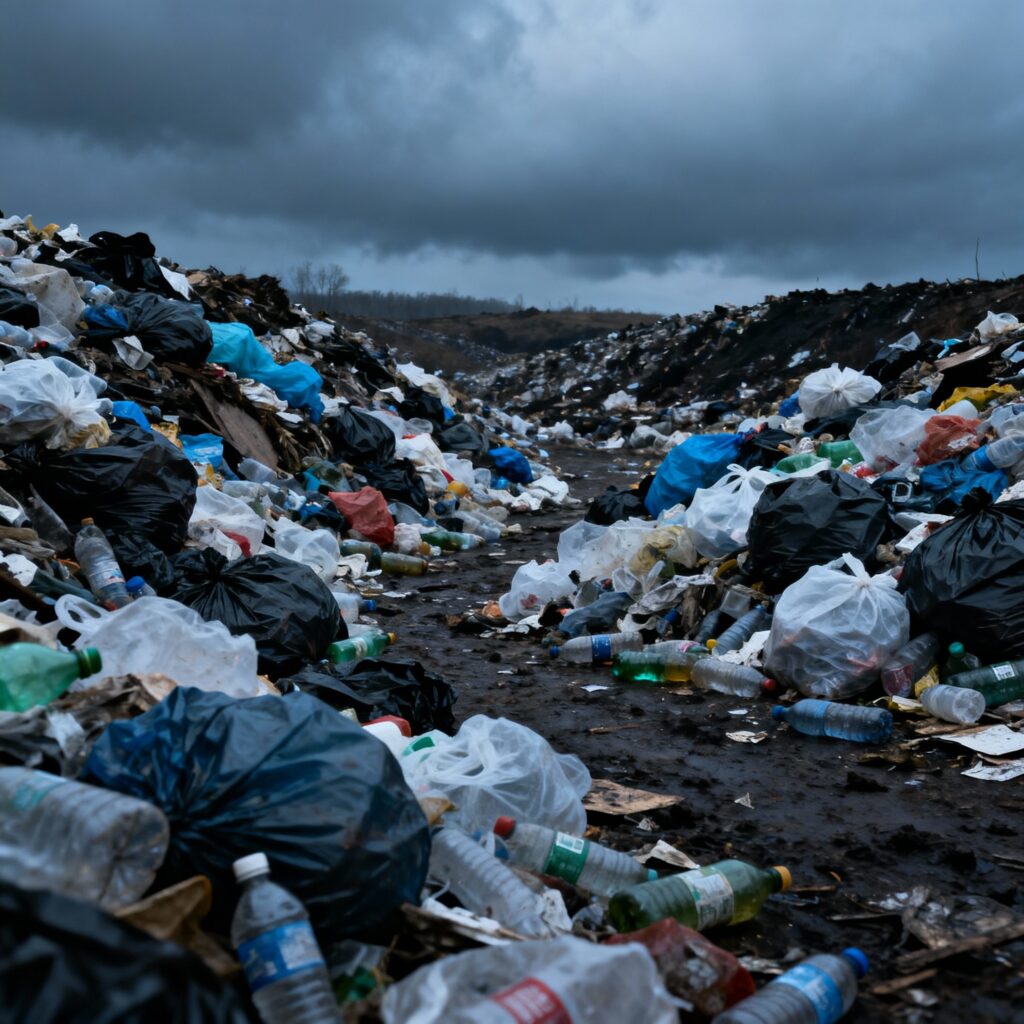
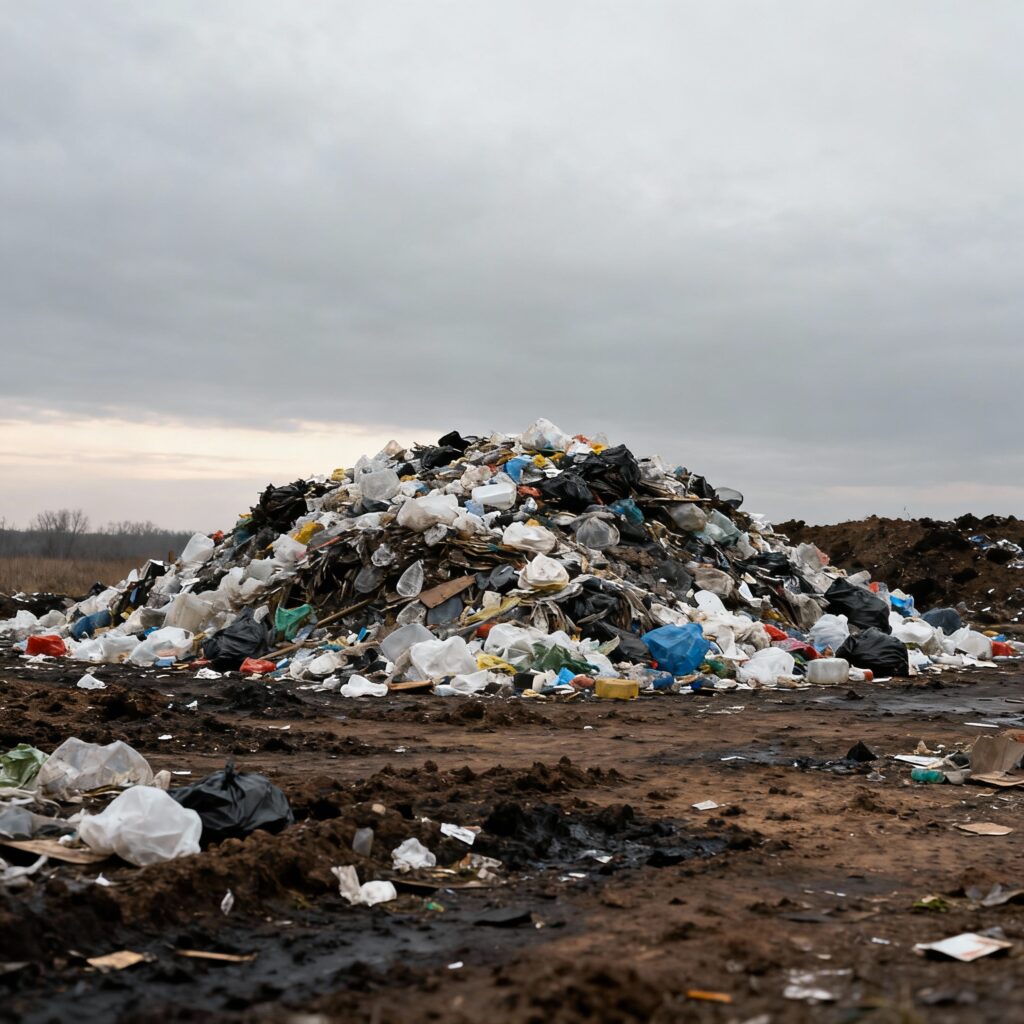
India generates over 9.4 million tonnes of plastic waste annually, with single-use bags making up a significant share. These bags do not biodegrade; instead, they fragment into microplastics, contaminating soil, water, and even the food we eat.
Urban Waste Overflow and drainage Catastrophes
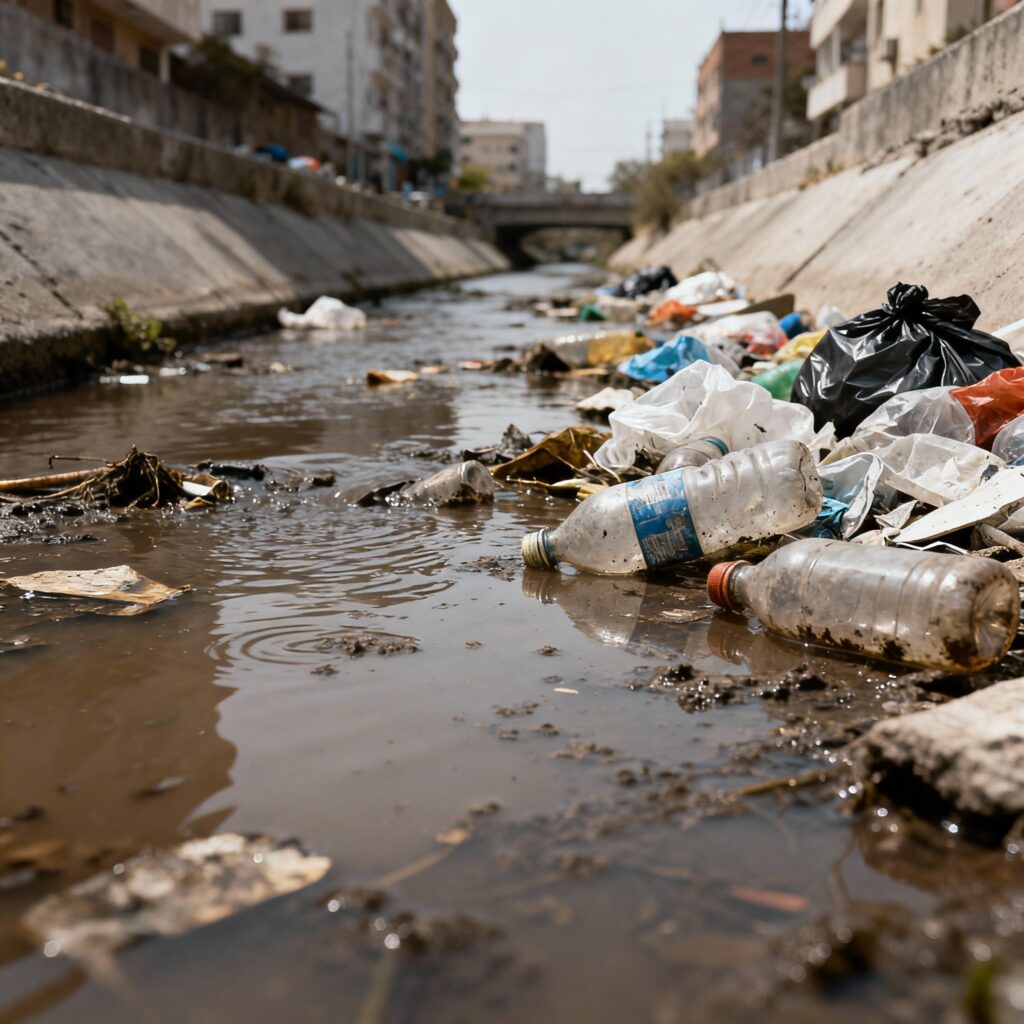
Plastic bags are a leading cause of urban flooding. In 2025, Punjab experienced its worst floods in four decades, with blocked drains—choked by plastic waste—amplifying the disaster. Mumbai’s 2005 floods, which killed around 1,000 people, were directly linked to plastic bags clogging the city’s drainage system.
Lack of Recycling Infrastructure
Despite a recycling rate higher than the global average, India still leaves over 9,400 tonnes of plastic waste unattended every day, much of it single-use bags and packaging. The informal sector, including over two million waste pickers, manages the bulk of recycling, but thin plastic bags are often too low-value to collect and recycle.
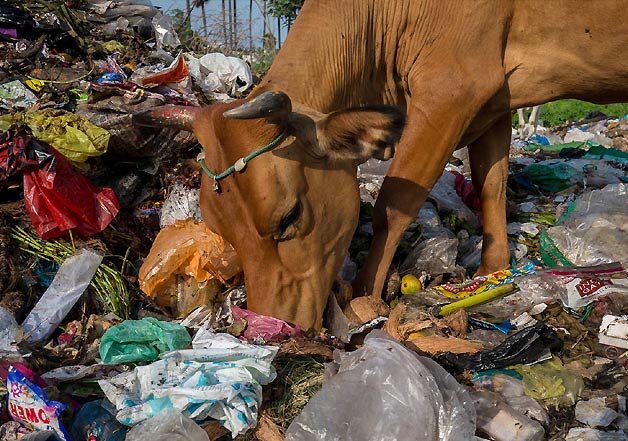
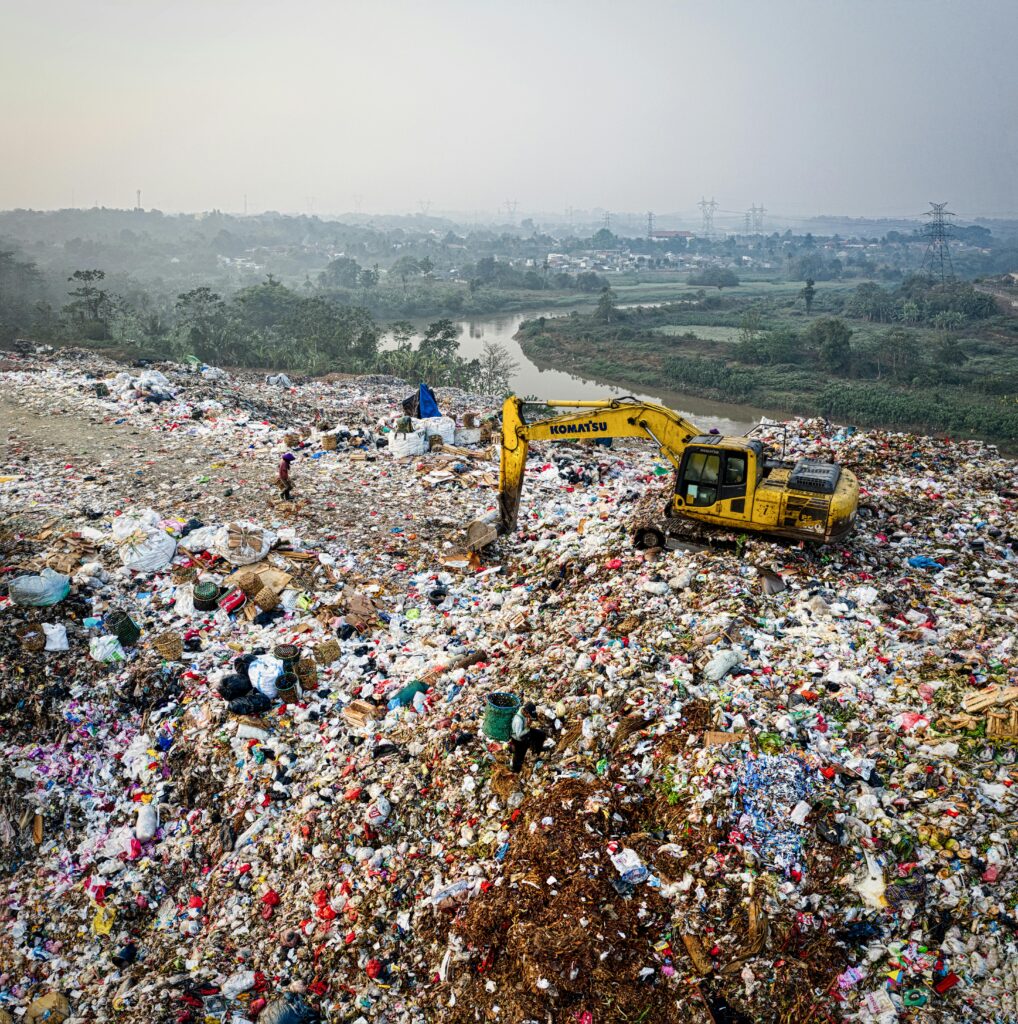
A JOURNEY THAT NEVER ENDS
A hidden threat to our health and environment
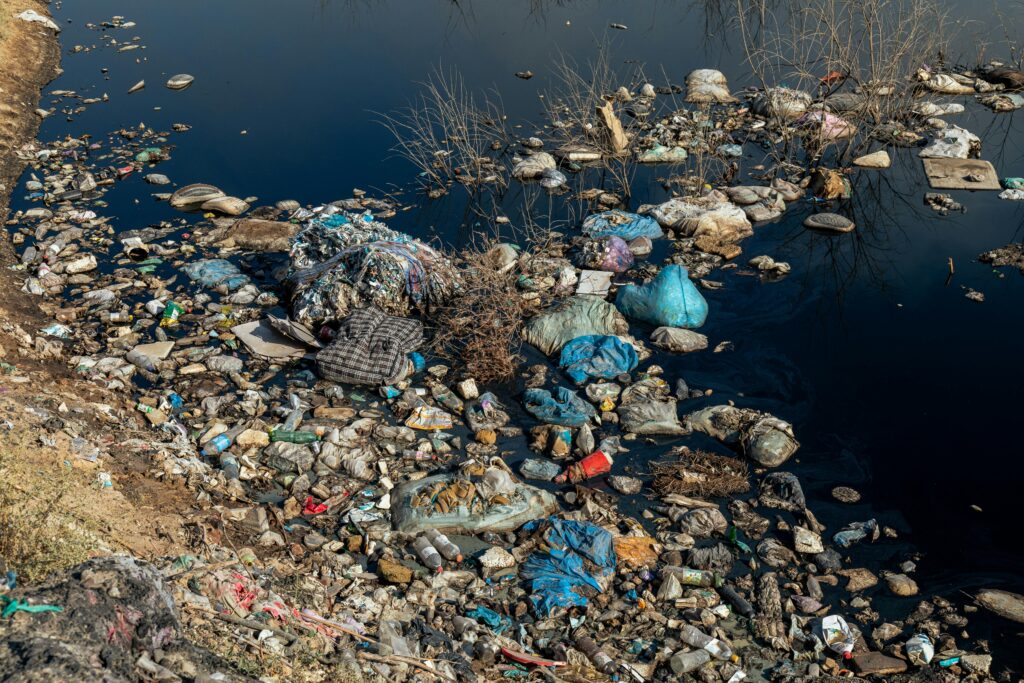
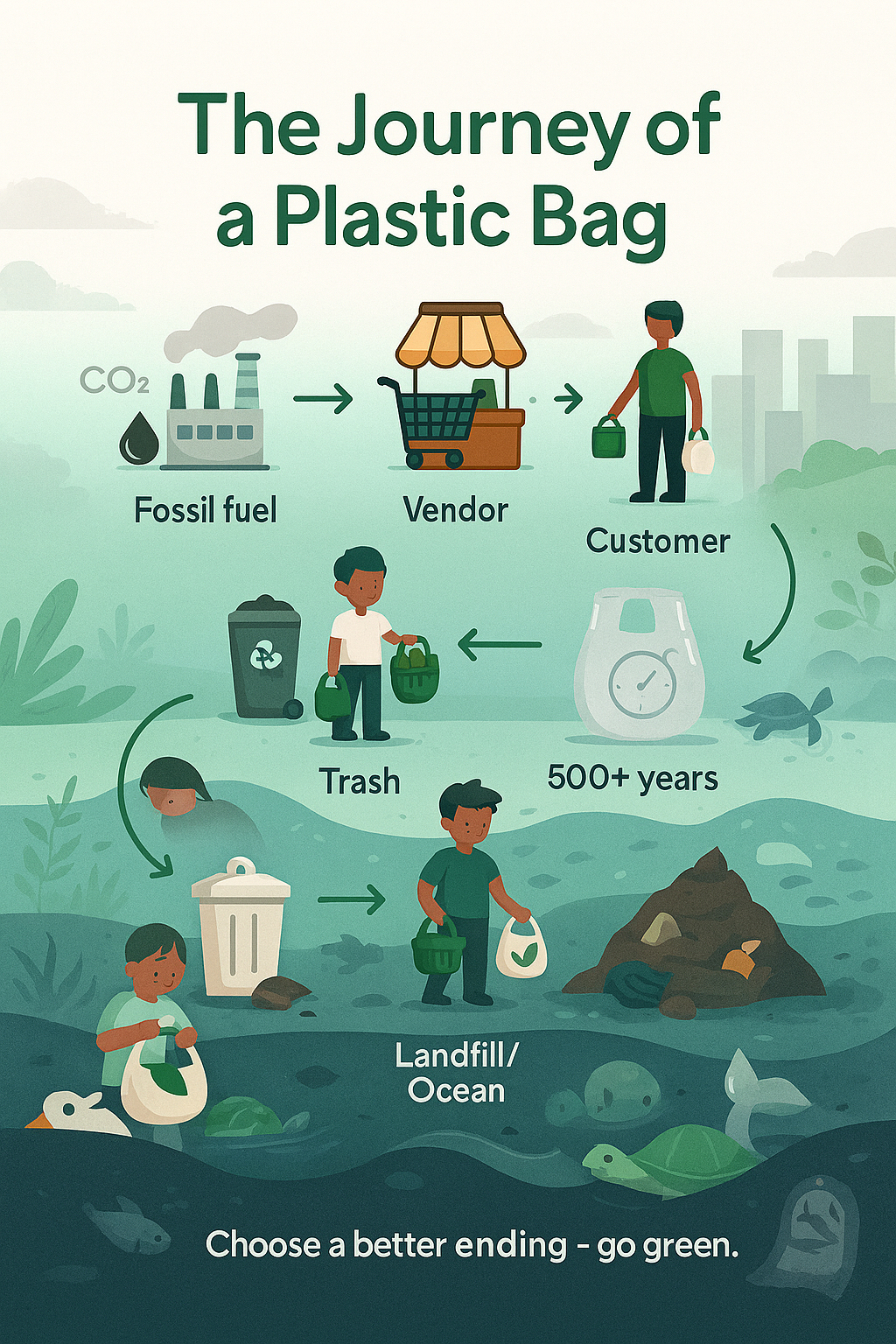
Plastic begins with fossil fuels, becomes bags, then waste. Discarded, it clogs drains, pollutes soil and oceans, harms wildlife, release toxins, and lingers for 500+ years-endangcring health and environment alike.
Harms our health
- Toxic in food
- Microplastic in ody
- Air pollution fumes
- Disease risk rises
Damage the environment
- Clogged urban drains
- Wildlife deaths
- Soil degradation
- Centuries-long pollution
THE TIME TO ACT IS NOW
Join GreenHabit. Be the hero.
Join GreenHabit. Be the Hero India needs
The plastic pollution crisis is urgent, but the solution is within our grasp. By sponsoring biodegradable bag distribution and championing sustainable choices, advertisers can lead India’s transition to a cleaner, healthier future.
Your brands will be celebrated as a catalyst for change and trusted by consumers, respected by communities, and recognized by policymakers.

GreenHabit empowers vendors and brands with biodegradable bags that reduce plastic, build trust, and promote cleaner, greener communities evry day
Visit Us
- UG-1/34, Shalimar Garden, Sahibabad (U.P.)
- +91 97162 52760
- info@greenhabit.earth
Quick Links
Join The movement
Get updates on current campaigns and events!